

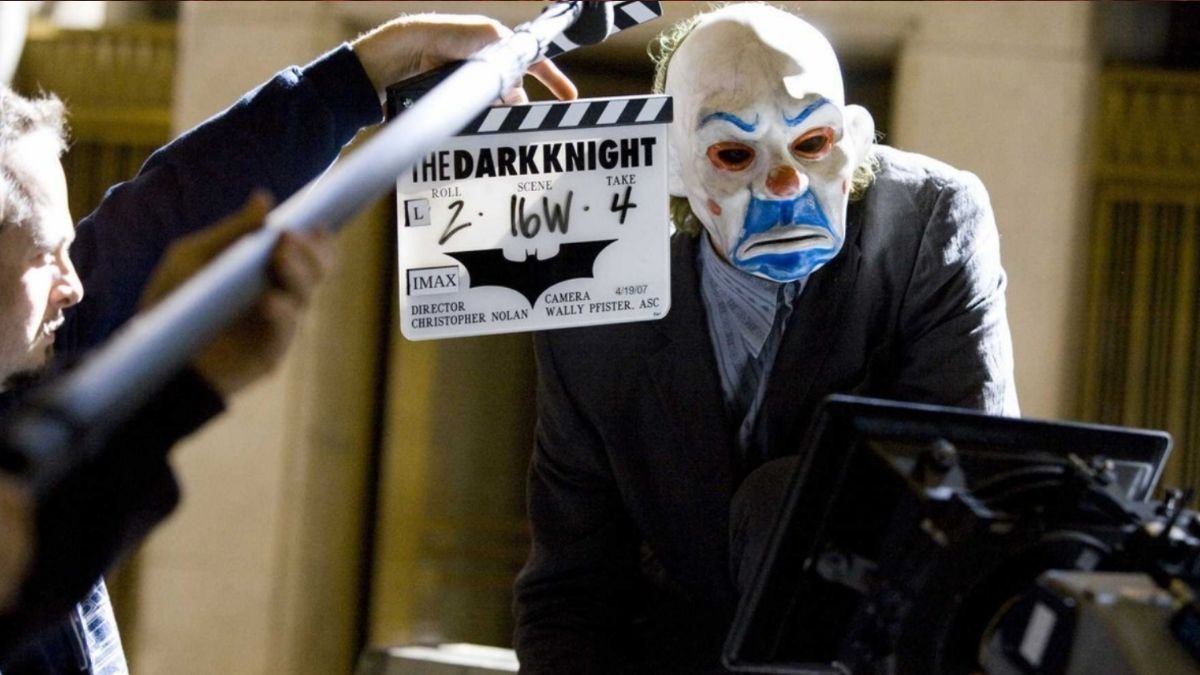
Character craft, examined: moral pressure (and what actually forces a decision)
Conflict is easy to spot.
A villain threatens the city. A hero chases him. Explosions. Deadlines. Chaos.
But moral pressure is quieter.
It isn’t just danger. It’s the moment when a character has to choose who they are under pressure. Not in theory. Not in a speech. In action.
The Dark Knight understands this deeply.
The Joker doesn’t simply create mayhem. He builds situations that corner people into revealing their values. And Harvey Dent becomes the film’s most painful example of what happens when moral pressure isn’t survived.
What moral pressure actually is
Moral pressure isn’t about stakes alone.
It’s about forcing a choice between competing principles.
Harvey Dent begins the film as Gotham’s “White Knight.” He believes in lawful justice. He believes the system can work if someone is bold enough to push it. He takes risks, yes. But he still believes in structure. In order.
The Joker doesn’t attack that belief directly.
He tests it.
I’ve found that this is where great antagonists operate. They don’t argue ideology. They build scenarios that strain it.
The Joker as architect of moral tests
The Joker’s chaos isn’t random. It’s targeted.
He rigs the ferry dilemma so ordinary citizens must choose whether to destroy others to survive. He exposes Batman’s refusal to kill. And most devastatingly, he isolates Harvey and Rachel, forcing a choice that can’t be undone.
When Harvey wakes in the hospital, disfigured and grieving, the pressure shifts from external to internal.
The Joker doesn’t tell him to become Two-Face.
He nudges him.
He reframes the world as arbitrary. He suggests that fairness is a lie. He hands him a coin and a philosophy built on chance.
It’s subtle manipulation layered over trauma.
And it works because Harvey’s belief system has already cracked.
When belief collapses
Harvey’s flaw isn’t cruelty.
It’s certainty.
He believes he can control outcomes. That he can bend corruption into submission. That if he fights hard enough, the right people will win.
Rachel’s death shatters that structure.
The moral pressure becomes unbearable. He isn’t just grieving. He’s confronting the possibility that the system he trusted failed him completely.
And here’s the key shift.
Instead of absorbing that collapse, he replaces it.
Order becomes chance.
Justice becomes coin toss.
It looks like madness. But it’s also a twisted coping mechanism. If the world is random, then his loss wasn’t personal failure. It was inevitability.
I’m not entirely sure Harvey even realizes he’s making that trade.
But the audience sees it.
Why the decision feels earned
Two-Face doesn’t appear out of nowhere.
He is the logical result of sustained pressure.
The hospital scene, the burning of his face, the loss of Rachel. Each event tightens the vise. The Joker’s influence doesn’t create Harvey’s darkness from scratch. It accelerates it.
That’s why his turn lands.
If moral pressure had been light, his shift would feel exaggerated. But the film stacks the weight carefully. By the time Harvey begins flipping the coin to determine life and death, it doesn’t feel like a gimmick.
It feels like a man who couldn’t reconcile the world he believed in with the one he experienced.
What this reveals about character craft
Moral pressure forces identity into the open.
You can claim values all day. But until those values are tested under loss, fear, humiliation, or rage, they remain theoretical.
In The Dark Knight, Batman endures pressure and refuses to kill. The ferry passengers refuse to detonate the other boat. Harvey fails his test.
That contrast matters.
The Joker’s genius isn’t destruction.
It’s exposure.
He reveals what people do when forced to decide.
And Harvey Dent’s fall reminds us that pressure doesn’t just shape character.
It reveals the fault lines that were already there.



Additional Reading:
- What is professional screenplay coverage (and do you actually need it?)
- What is professional screenplay coverage, really?
- How to Know If Your Screenplay Concept Is Strong Enough
- Why Most Second Acts Collapse (And How Coverage Detects It)
- How Professional Readers Evaluate Character Arcs
- Is Your Script Marketable?
Indexes: