

Character craft, examined: static protagonists (and when transformation isn’t the point)
We talk about character arcs like they’re mandatory.
Someone starts flawed. Pressure hits. By the end, they’re different. That model is so baked into writing advice that when a character doesn’t transform, it can feel like something’s broken.
But not every protagonist is built to change.
Some are built to hold.
A static protagonist isn’t lazy writing. It’s a different narrative engine. They enter the story already formed. The pressure doesn’t remake them. It tests them. Their steadiness becomes the thing that allows everyone else to move.
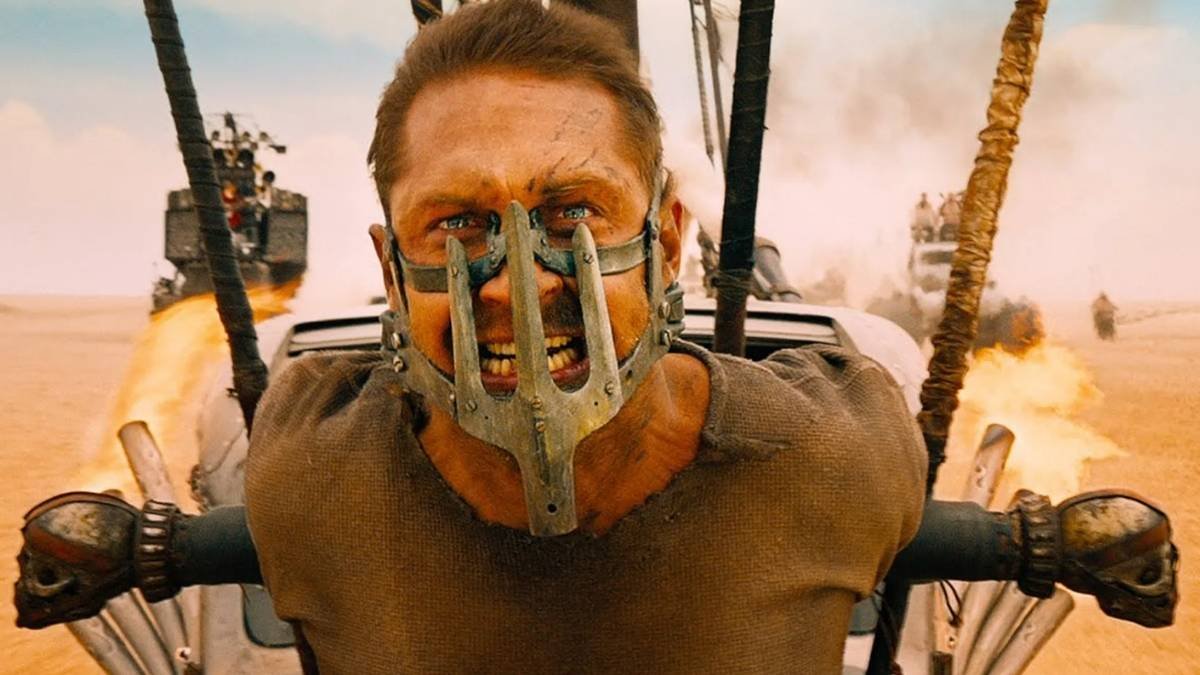
Mad Max: Fury Road makes that idea painfully clear.
Where Max Begins
When we first see Max Rockatansky, he isn’t a blank slate waiting to evolve.
He’s already fractured. Already defined.
He’s haunted. Suspicious. Survival-driven. He trusts no one. He moves through the wasteland like a closed circuit. His moral code is tight and stripped down: survive, avoid entanglement, keep moving.
The film doesn’t try to rewrite that code.
It stresses it.
And there’s a difference.
Who Actually Transforms
If you track visible character change in Fury Road, Furiosa carries the larger arc.
She begins inside Immortan Joe’s system. She defects. She reveals her plan. She confronts the truth that the Green Place is gone. And instead of running, she decides to turn back and fight.
That’s movement.
Max, by contrast, remains fundamentally Max.
He resists involvement. He calculates. He helps when helping aligns with survival. Even his decision to support Furiosa doesn’t read like a moral awakening. It feels practical. Gradual. A mission that makes structural sense to him.
He doesn’t become idealistic.
He doesn’t dramatically soften.
He stays who he is.
What a Static Protagonist Actually Does
This is where “static” gets misunderstood.
Static does not mean inactive.
It means internally consistent.
Max functions as a stabilizing force inside chaos. His restraint makes the war boys’ fanaticism sharper. His competence gives Furiosa room to act. He doesn’t drive ideological change. He enables momentum.
The world is volatile.
He isn’t.
Max enters the story shaped by trauma. The narrative doesn’t dismantle that worldview. It places him near people whose goals require cooperation. The adjustments he makes are tactical, not existential.
He doesn’t leave the film transformed into someone new.
He leaves having participated.
And that distinction matters.
Why This Works
Stories built around static protagonists often focus on movement in the world rather than movement in identity.
Westerns do this. Detective films do it. Certain action stories rely on it. The protagonist becomes a lens. The setting shifts. Supporting characters evolve. Power structures collapse or reconfigure. The central figure remains steady enough to observe and act.
In Fury Road, the wasteland is still brutal at the end. Power is still contested. Max doesn’t suddenly believe in redemption. He shares blood with Furiosa, nods, and disappears into the crowd.
The film closes without redefining him.
That’s intentional.
Where Writers Get Cautious
Because so much craft advice emphasizes arcs, writers sometimes force transformation where it doesn’t belong.
They graft visible moral growth onto characters whose narrative purpose is steadiness. And you can feel it when that happens. A protagonist who has survived through distrust doesn’t suddenly become open-hearted because the runtime demands it.
Static protagonists require restraint.
If change appears, it’s subtle.
Max offers help. He suggests returning. He hands Furiosa the rifle for the final shot.
Those are actions.
They are not identity reversals.
How This Fits the Larger Craft Conversation
Character arcs track identity under pressure. That’s one powerful story engine.
Static protagonists reveal another pattern. A story can revolve around someone whose internal position is largely set. Structure escalates danger. Scenes create turning points. Theme emerges through contrast.
In Fury Road, tension doesn’t depend on Max becoming someone new.
It depends on whether the world around him can change.
He remains steady.
The world shifts.
And that, too, is a deliberate form of character design.



Additional Reading:
- What is professional screenplay coverage (and do you actually need it?)
- What is professional screenplay coverage, really?
- How to Know If Your Screenplay Concept Is Strong Enough
- Why Most Second Acts Collapse (And How Coverage Detects It)
- How Professional Readers Evaluate Character Arcs
- Is Your Script Marketable?
Indexes: