

Theme, examined: theme vs. message (and why they’re not the same)
Theme gets confused with message all the time
I see this mix-up constantly.
People say “theme,” but what they really mean is message. A message sounds like advice. “Greed is bad.” “Family matters.” “Power corrupts.” Clean. Summarizable. Something you could print on a poster.
Theme doesn’t work like that.
Theme isn’t a slogan. It’s a pattern. It’s the tension that keeps showing up across characters and events. You don’t declare it. You let it surface.
If you want to see the difference clearly, look at Parasite and the Kim family.
What theme actually is
Theme is not a speech.
It’s the underlying pressure shaping behavior across the story. You don’t point at it and name it. You build situations where it becomes unavoidable.
In Parasite, the theme isn’t “class inequality is wrong.” The film never pauses to lecture you. It never hands you a moral and says, here, take this home.
Instead, it drops characters into a world shaped by class and watches what they do.
The Kim family doesn’t debate capitalism.
They navigate it.
That navigation is where the theme lives.
The Kims as movement, not commentary
At the start of the film, the Kims are clever. Scrappy. Always a little off balance. They fold pizza boxes for almost nothing. They hunt for Wi-Fi signals like treasure. They improvise constantly.
When the opportunity to enter the Park household appears, they don’t protest the system.
They slip into it.
Each step deeper into that house is driven by survival. Fake credentials. Rehearsed identities. Quietly replacing other workers. Adjusting posture, tone, even smell. You can feel how carefully they calibrate themselves.
The film never pauses to explain what this “means.”
It just shows you the contrast.
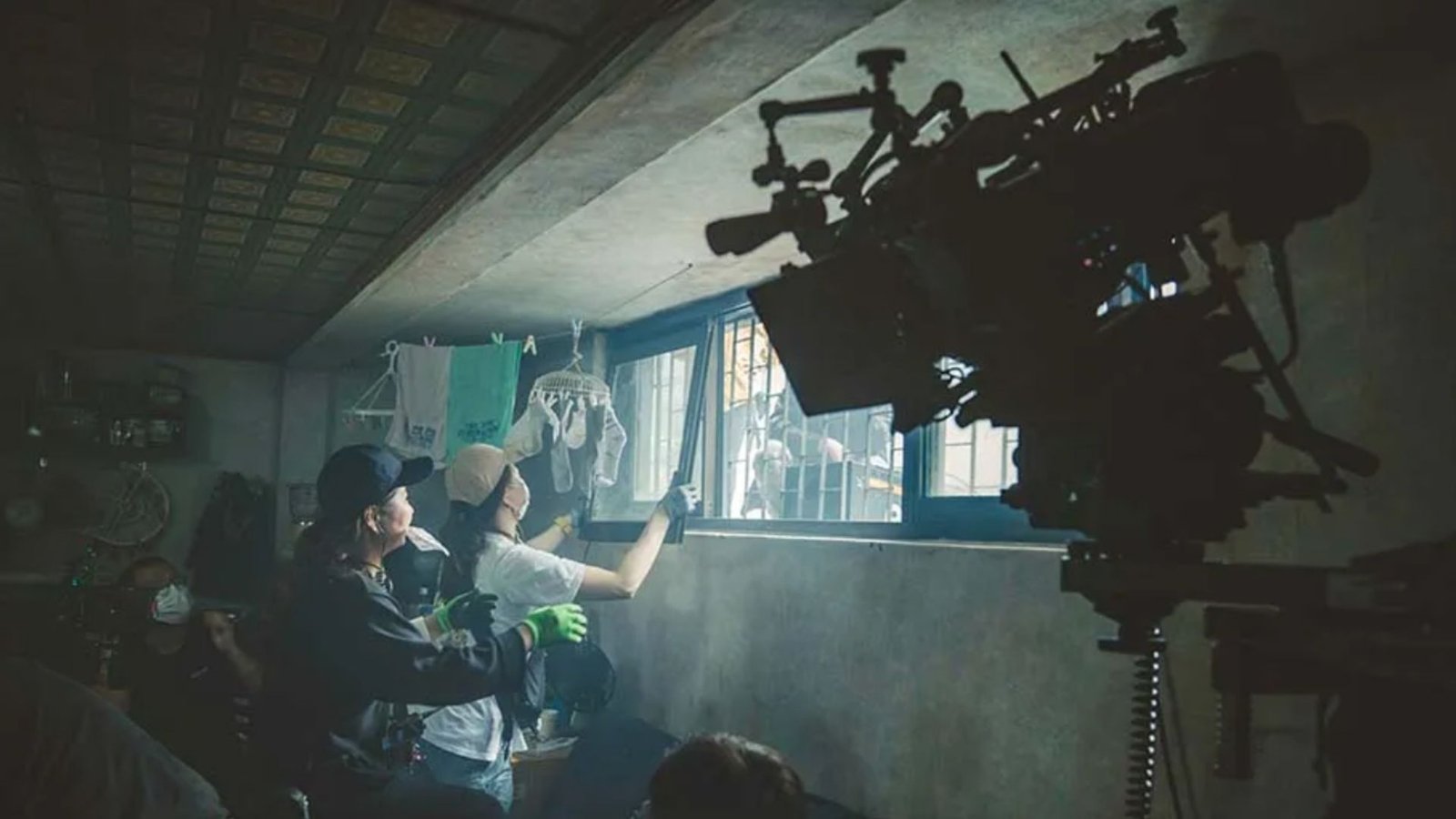
A semi-basement apartment versus a glass mansion on a hill. Floodwater rising in one space while another space stays pristine. The way smell becomes a social boundary. The way architecture itself separates people.
No character states the lesson.
The tension builds anyway.
By the time you reach the garden party, the explosion doesn’t feel sudden. It feels like something that’s been tightening for two hours.
Where message would flatten the film
Imagine if someone stopped to spell out the moral.
If a character delivered a speech about exploitation or dehumanization, the film would shrink. It would tell you what to think instead of letting you sit inside the imbalance.
Theme works because it’s experiential.
When the storm floods the Kims’ apartment and the Parks treat that same storm as a minor inconvenience, the contrast does the work. No commentary needed. You feel the distance between those two realities in your gut.
That’s theme operating quietly. Relentlessly.
Why this distinction matters
Writers chase message because it feels safe. You can summarize it. You can control it.
Theme is messier.
It asks you to trust the design. To build situations that keep exposing the same fault line without ever labeling it.
In Parasite, class difference isn’t explained. It’s baked into geography. Into blocking. Into who walks up stairs and who walks down them. The Kim family’s rise always depends on concealment. On proximity. On pretending they belong somewhere they don’t.
Theme connects decisions across scenes.
Message explains.
Theme accumulates.
How this fits the craft conversation
Structure shapes time.
Scenes create turns.
Character arcs track identity under pressure.
Theme ties those movements together.
In Parasite, deception escalates. Scenes inside the Park household shift power back and forth. The Kim family’s sense of security grows, then cracks. All of it reinforces the same tension without ever announcing it.
That’s why the film lingers.
Not because it argues a point.
Because it lets you live inside one.



Additional Reading:
- What is professional screenplay coverage (and do you actually need it?)
- What is professional screenplay coverage, really?
- How to Know If Your Screenplay Concept Is Strong Enough
- Why Most Second Acts Collapse (And How Coverage Detects It)
- How Professional Readers Evaluate Character Arcs
- Is Your Script Marketable?
Indexes: